
Back to GALLERY Bauska Castle Museum publishes I. Līne’s book "Stoves and Stove Tiles of Bauska Castle"
Read More
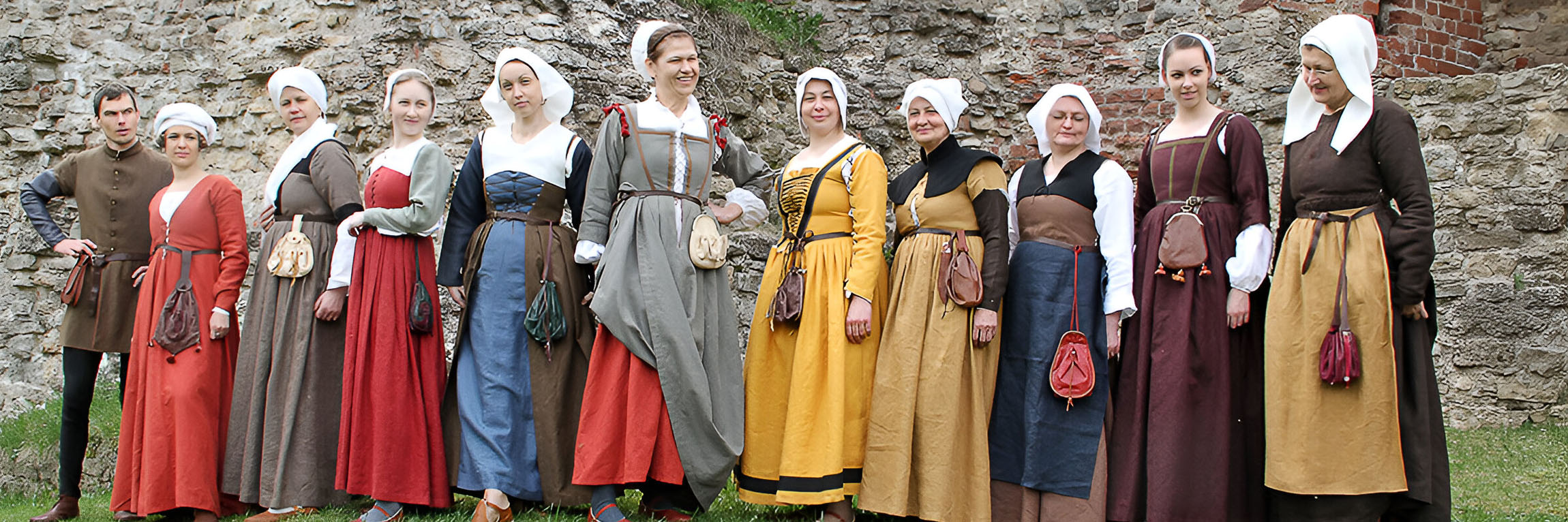
The skills and knowledge they acquire will enable the dancers to enrich museum events, perform in staged concert productions, and participate in early dance masterclasses. In addition to learning Renaissance dances, group members will explore the etiquette, manners, and everyday life of the period, broadening their horizons and deepening their knowledge of the Middle Ages and the Renaissance.

During the visit, the museum staff learned about their colleagues’ specific work responsibilities and explored various approaches and solutions used in the museum sector.
The monograph “Stoves and Stove Tiles of Bauska Castle” by I. Līne has been published.

The virtual tour showcases Bauska Castle – guiding visitors through the residence castle gate and courtyard, offering a look into the history exhibition and costume display, the restored interiors – the Duke’s apartments and ceremonial halls, the portrait gallery of the ducal Kettler family, the castellan’s kitchen, the cellar and the stables, as well as the guardroom. It also leads into the courtyard of the Order Castle and inside the walls of the central tower.

Explore the fortress ruins, where the strategic layout of defensive walls, towers, and embrasures remains clearly visible. Follow the scenic Mēmele cliff trail that runs along the castle’s northern wall. Discover the development stages of the Bauska Castle complex through our interactive digital exhibition, then climb the central tower. Through its historic embrasures, you can admire panoramic views of Bauska, the newer part of the castle, and the stunning natural landmark where the Mēmele and Mūsa rivers merge to form the Lielupe River.
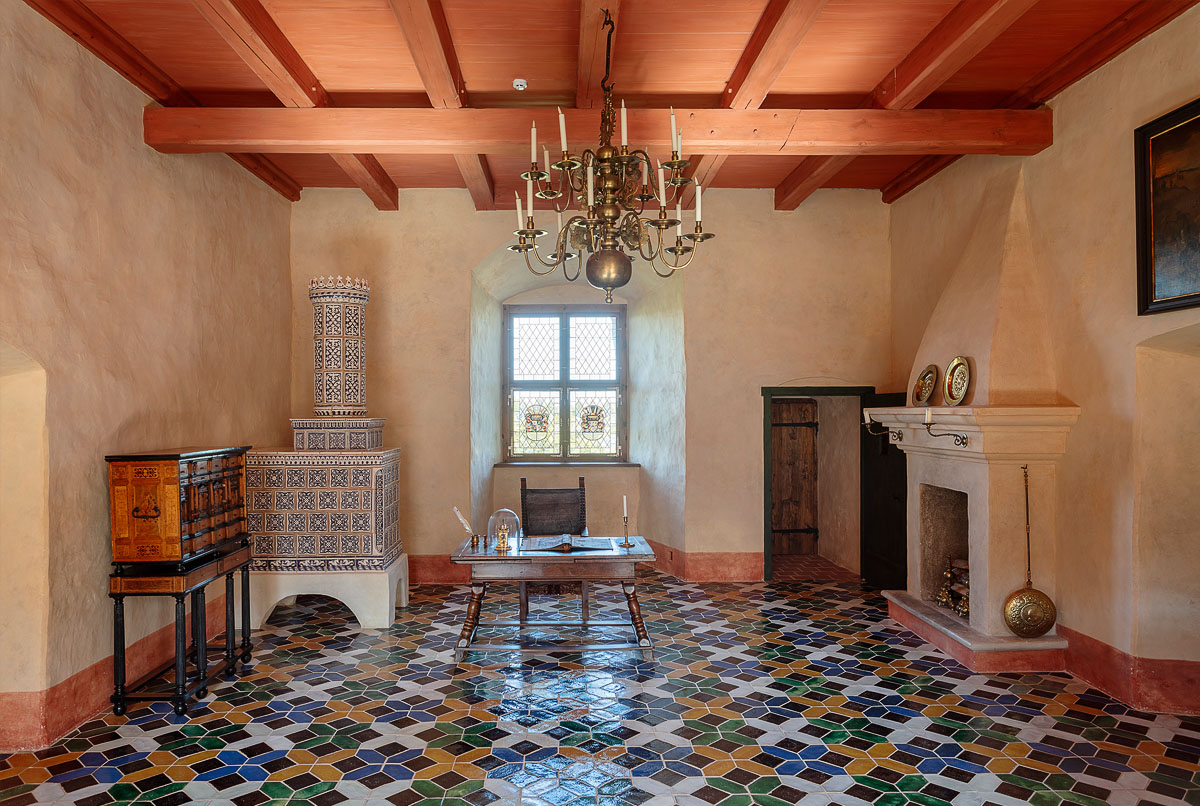
Step into the renovated living quarters and reception halls of the Dukes of Courland and Semigallia. Explore the authentic castle kitchen and great hall, servants’ quarters, atmospheric cellars, historic stables, and imposing gatehouse, all furnished with original 16th- and 17th-century artefacts including ornate chests, period tables and chairs, beds, lighting fixtures, and fireplace accessories.
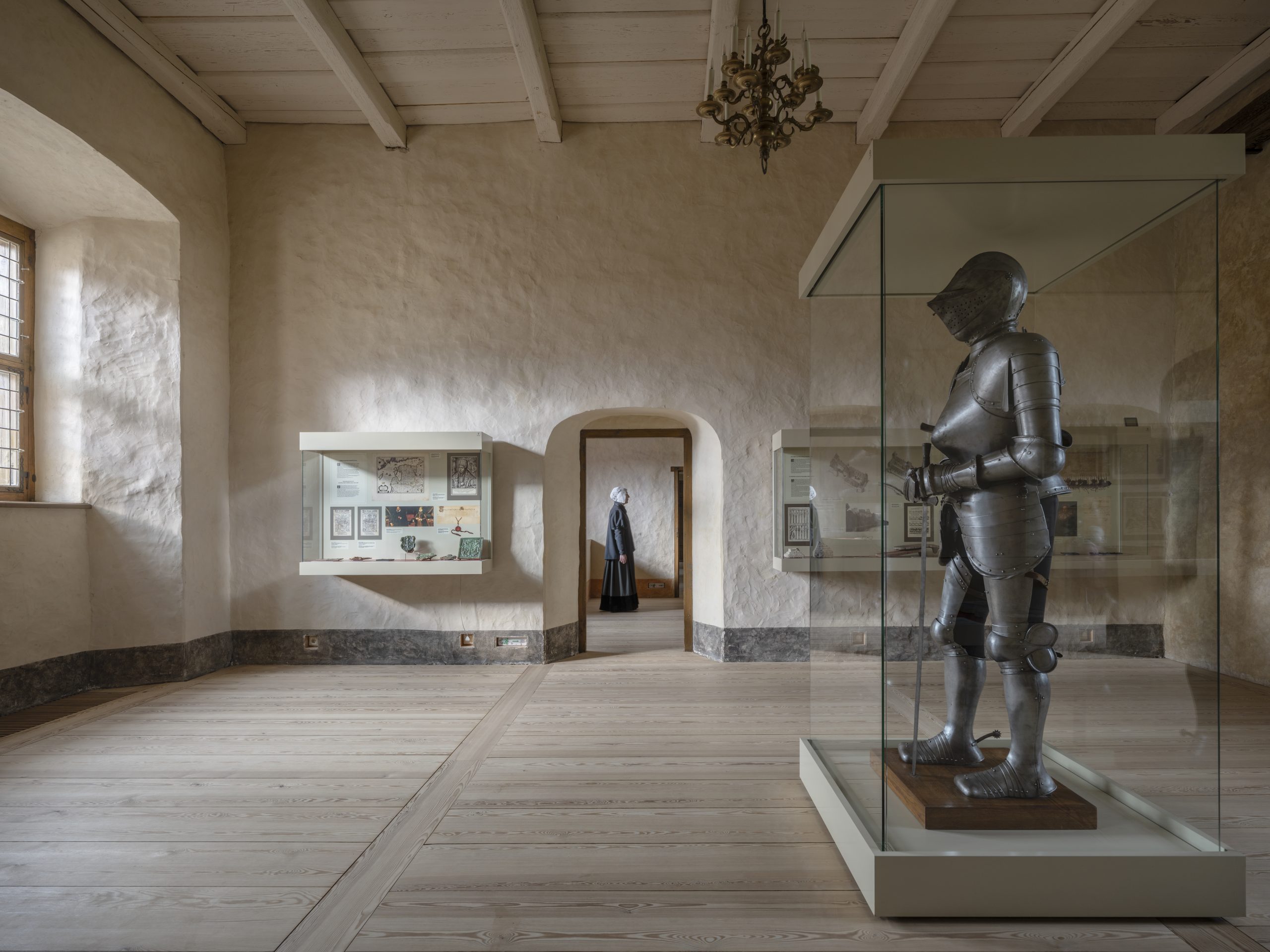
Uncover the rich and complex history of Bauska Castle Hill, beginning with its settlement during the Iron Age, through the establishment of the Livonian Order’s fortress in the mid-15th century, to the founding of the Duchy of Courland and Semigallia, and the construction of the ducal residence in the 16th century. Explore the era of the Kettler dynasty, their rule, and the daily life of the ducal court. Trace the castle’s fate through the Polish-Swedish War in the 17th century and discover the dramatic circumstances of its destruction during the Great Northern War in the early 18th century. Don’t miss the chance to see authentic 16th-century tournament armour.
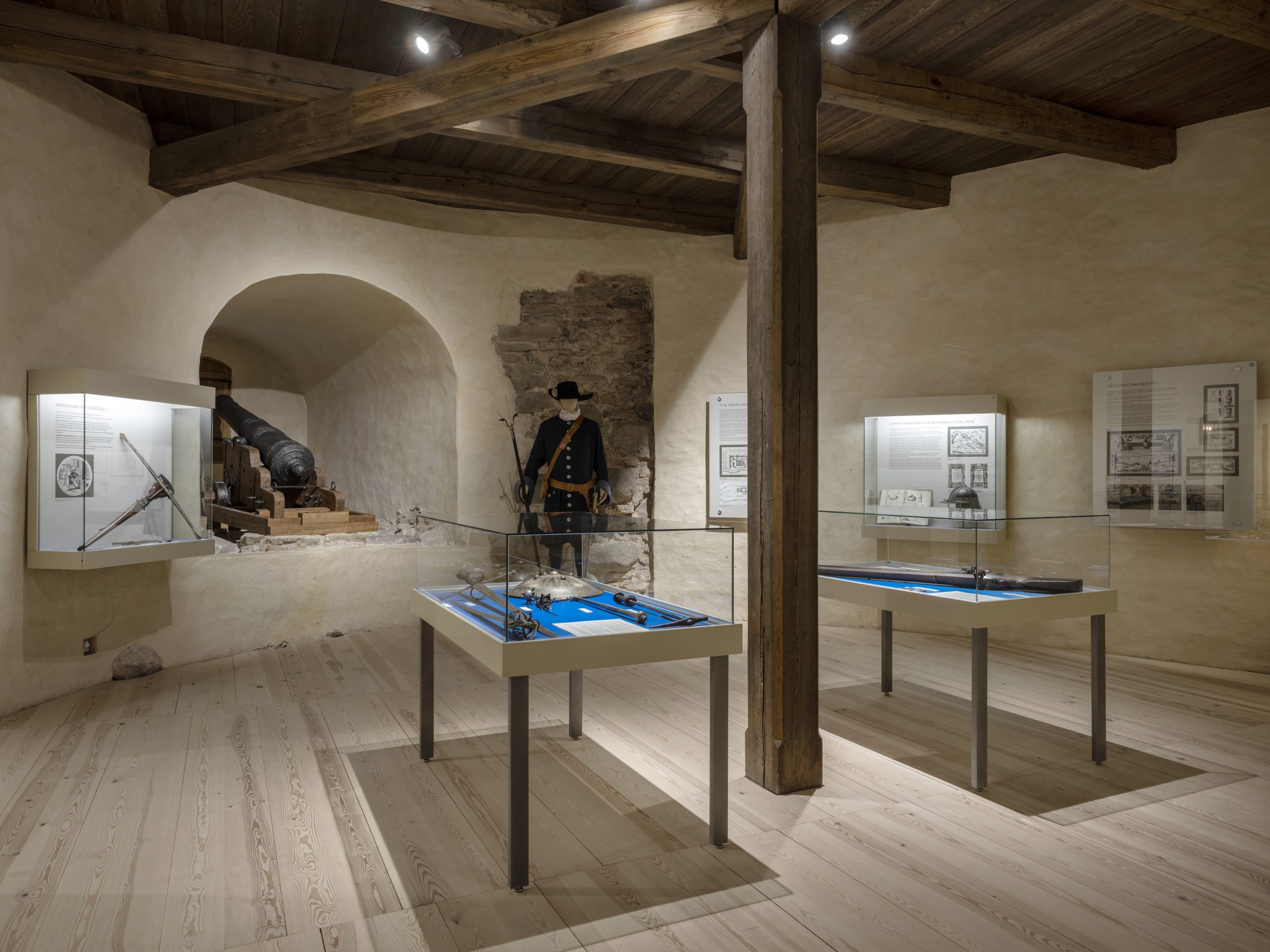
Explore the development of Bauska Castle’s defence system from the mid-15th century to the early 18th century, placed within the broader context of defensive architecture in Western and Central Europe. Discover 17th-century fortification plans, dramatic battle engravings, and military artefacts uncovered in archaeological excavations. View original 16th- and 18th-century weapons, meticulously crafted reconstructions of 17th-century musketeer and artilleryman uniforms, and period cannons.
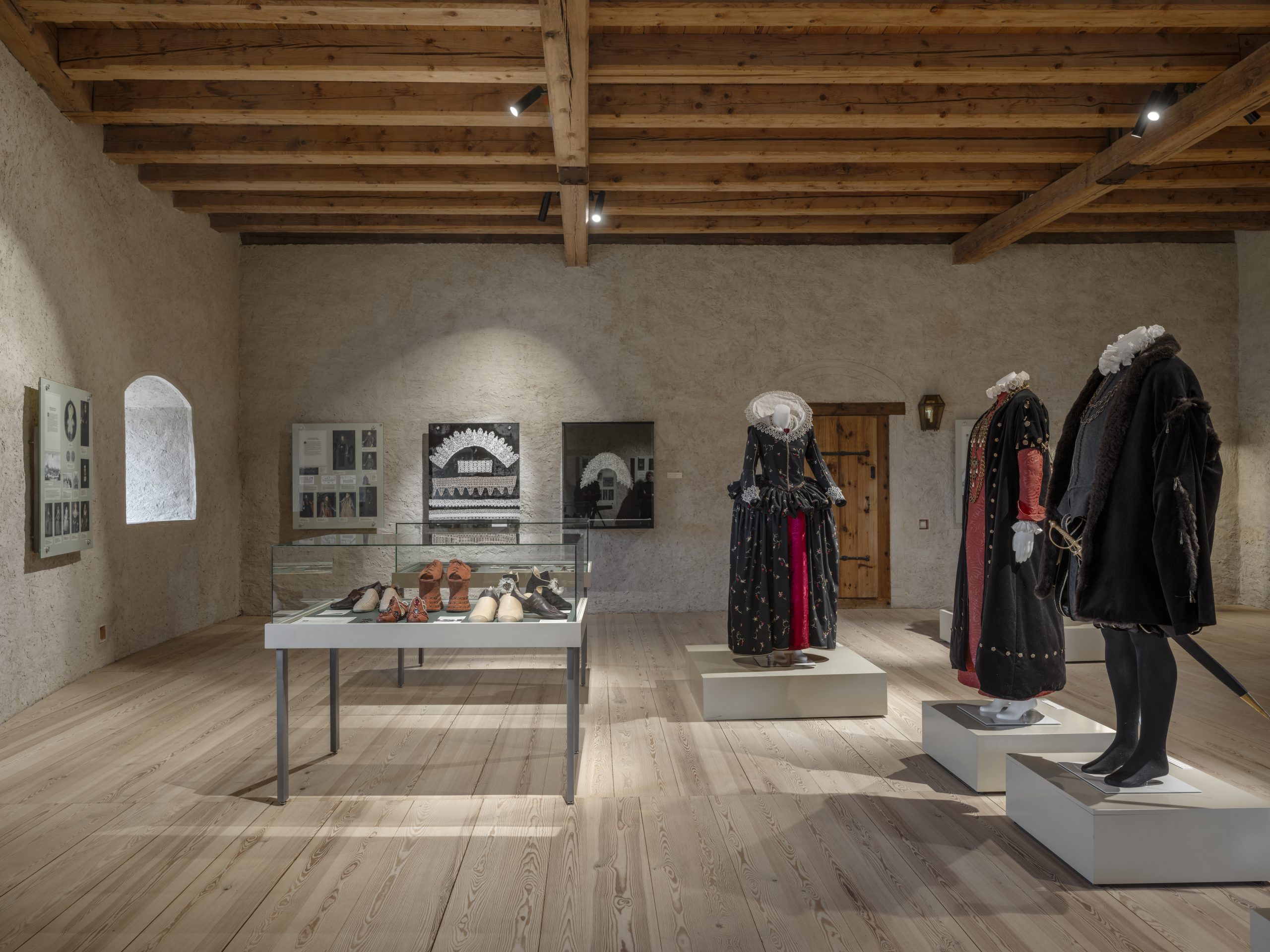
Discover the fascinating evolution of fashion in the Duchy of Courland and Semigallia during two remarkable generations – the first Duke of Courland, Gotthard, and his sons Friedrich and Wilhelm. Explore the distinctive clothing styles of the ducal family and fellow nobility across the Baltic Sea region during the late 16th and early 17th centuries. View authentic sewing accessories uncovered in archaeological excavations – scissors, irons, buttons, hooks, beads, original 17th-century clothing details and lace, plus patterns and embroidery designs from period documents and tailors’ books. Admire meticulously crafted replicas of the clothing worn by the dukes and their kin.


